Offers portable X-ray spectrometers (XRF), optical emission spectrometers (OES) and laser spectrometers (LIBS) for analysis of metals, plastics, precious metals, minerals, catalysts and more, built with the most innovative technologies able to satisfy any need relating to the chemical analysis of materials.
We distribute X-ray spectrometers (XRF), optical emission spectrometers (OES), laser spectrometers (LIBS) for the analysis of materials and portable asbestos detector (NIR)



Our X-Ray Spectrometers (XRF)
-
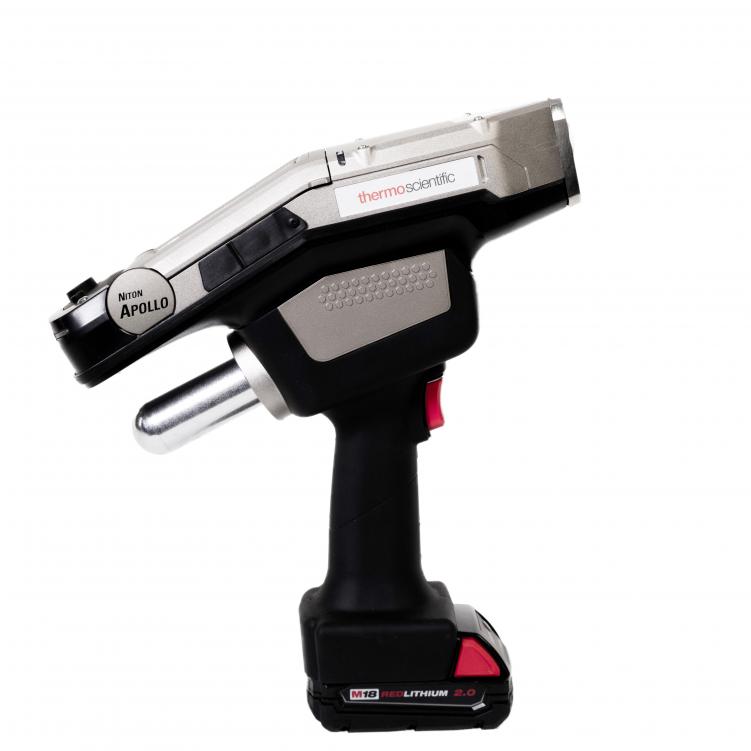
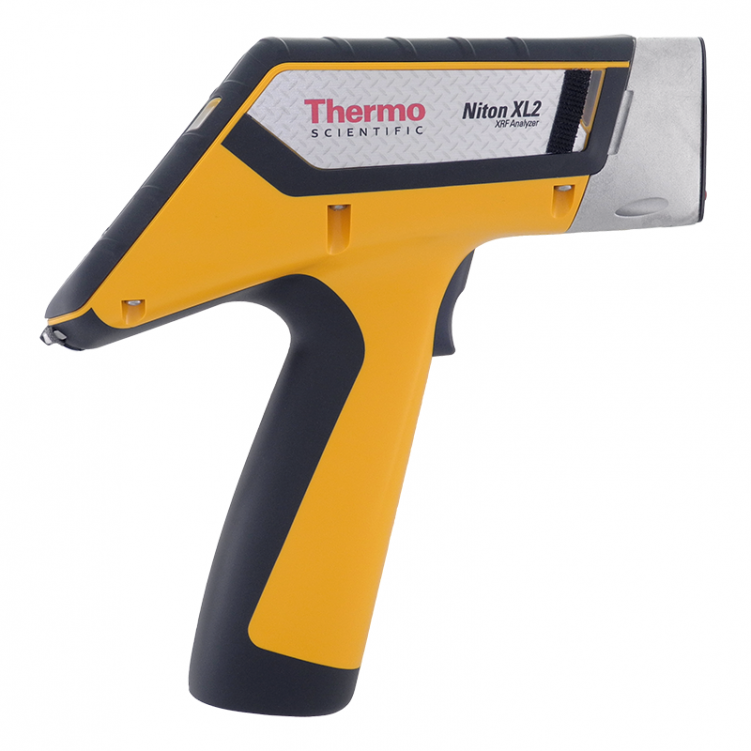 Thermo Scientific™ Niton™ XL2
The XL2 Analyzer provides immediate, nondestructive elemental analysis of alloy materials from titanium to nickel as well as tramp and trace element analysis
-
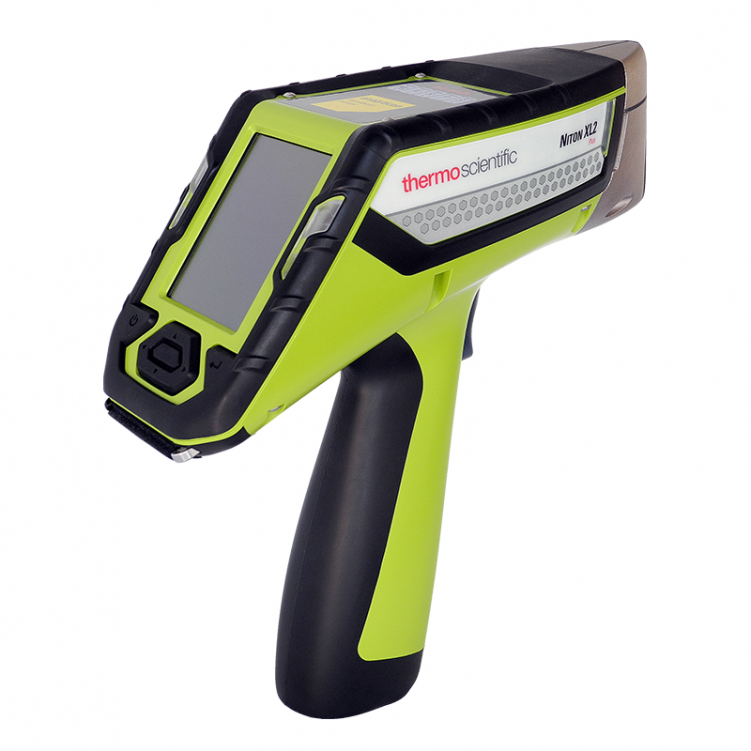 Thermo Scientific™ Niton™ XL2 PLUS
Thanks to a perfct combination between hardware e software, as a result of an extended experience in te field, it offers high performances while manteining the semplicity of use
-
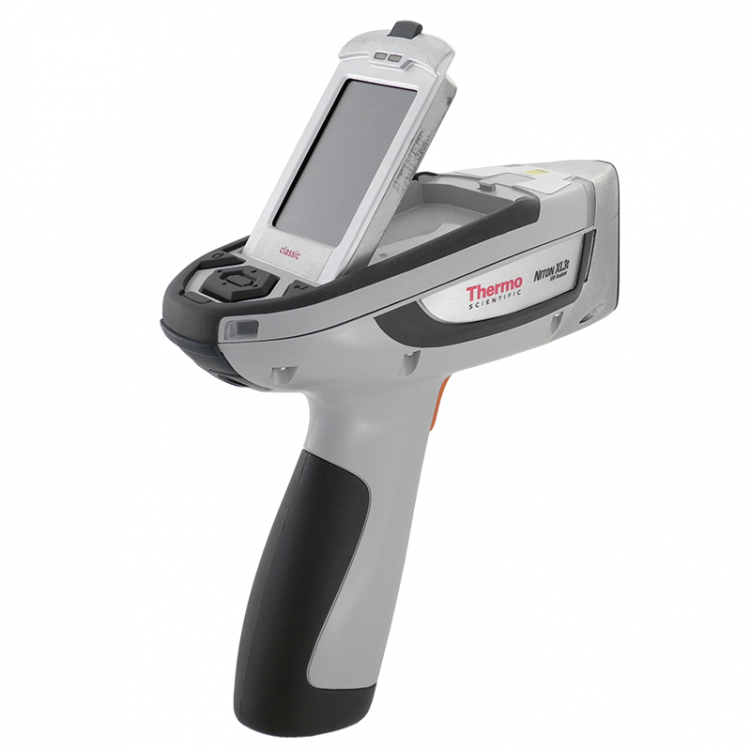 Thermo Scientific™ Niton™ XL3t
It is the definitive tool for scrap metal recycling, casting and fabrication, manufacturing QA/QC and positive material identification
-
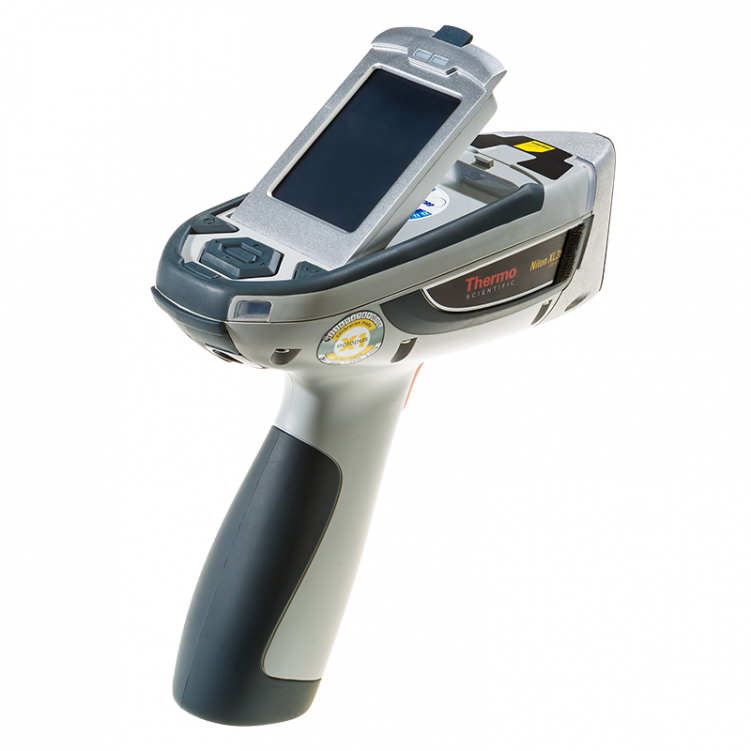 Thermo Scientific™ Niton™ XL3t GOLDD+
The Niton™ XL3t GOLDD+ Analyzer delivers a feature-rich package enhanced with Geometrically Optimized Large Area Drift Detector (GOLDD™) technology
-
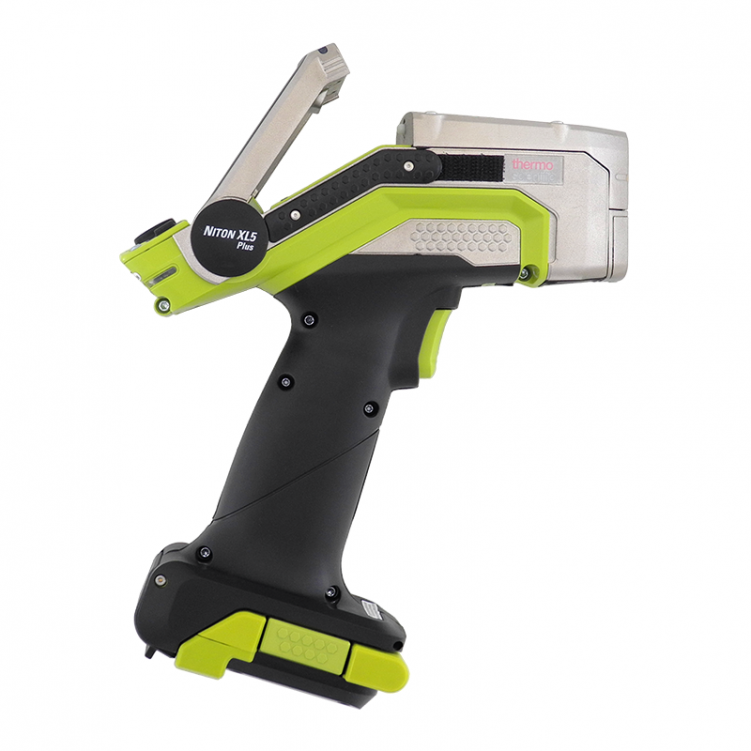 Thermo Scientific™ Niton™ XL5
The XL5 is the newest and most advanced member of the Niton™ family of portable X-ray fluorescence (XRF) analyzers.
-
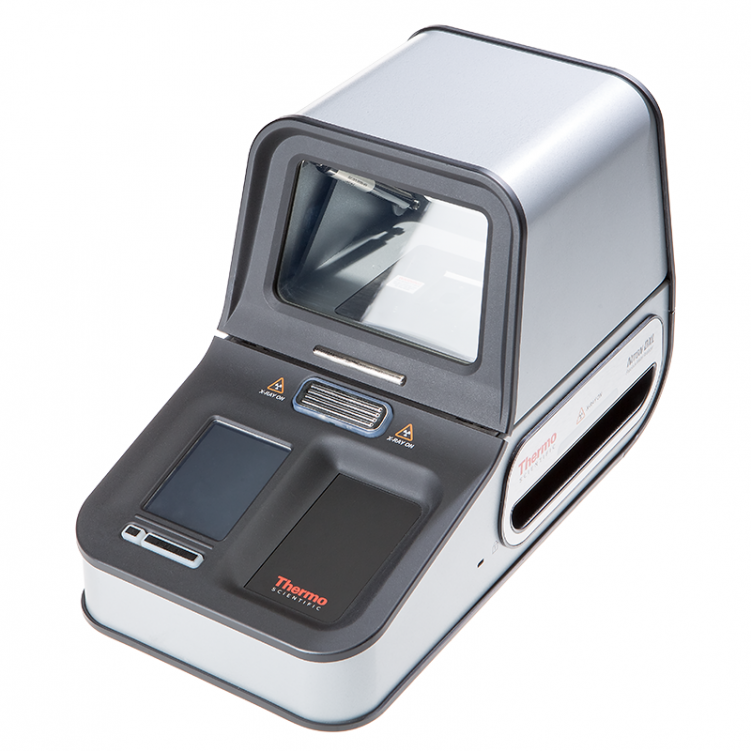 Thermo Scientific™ Niton™ DXL
Be absolutely sure of the value of the precious metals you buy and sell with a fast, simple nondestructive solution for gold analysis
-
-
-
Our X-Ray Spectrometers (XRF)
-
Thermo Scientific™ Niton™ XL2
The XL2 Analyzer provides immediate, nondestructive elemental analysis of alloy materials from titanium to nickel as well as tramp and trace element analysis
-
Thermo Scientific™ Niton™ XL2 PLUS
Thanks to a perfct combination between hardware e software, as a result of an extended experience in te field, it offers high performances while manteining the semplicity of use
-
Thermo Scientific™ Niton™ XL3t
It is the definitive tool for scrap metal recycling, casting and fabrication, manufacturing QA/QC and positive material identification
-
Thermo Scientific™ Niton™ XL3t GOLDD+
The Niton™ XL3t GOLDD+ Analyzer delivers a feature-rich package enhanced with Geometrically Optimized Large Area Drift Detector (GOLDD™) technology
-
Thermo Scientific™ Niton™ XL5
The XL5 is the newest and most advanced member of the Niton™ family of portable X-ray fluorescence (XRF) analyzers.
-
Thermo Scientific™ Niton™ DXL
Be absolutely sure of the value of the precious metals you buy and sell with a fast, simple nondestructive solution for gold analysis
-
-
-
Our Spectrometers for metal analysis (OES)
-
-
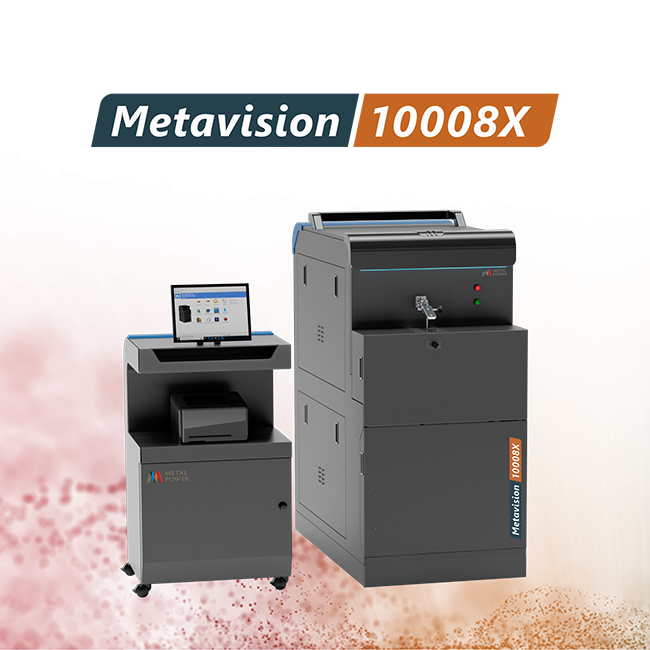
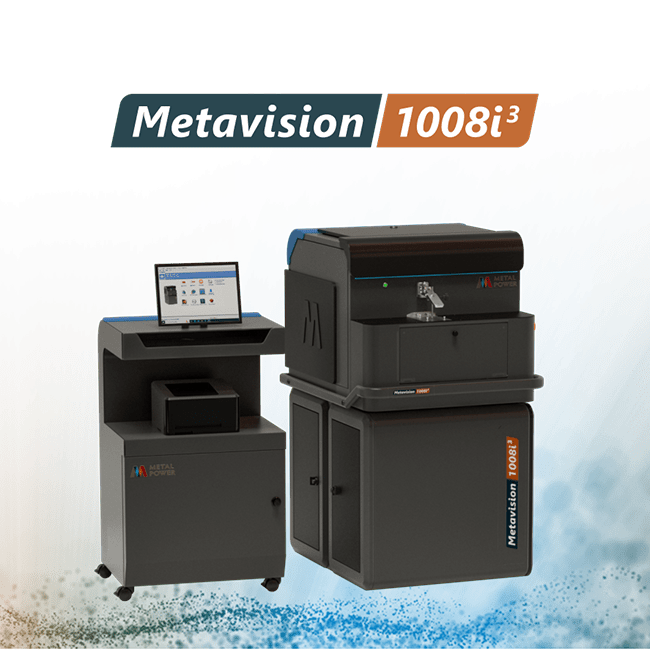 Metavision-1008i3
Custom developed components and applications ensures that it is the only instrument in its class to offer Oxygen analysis at low levels
-
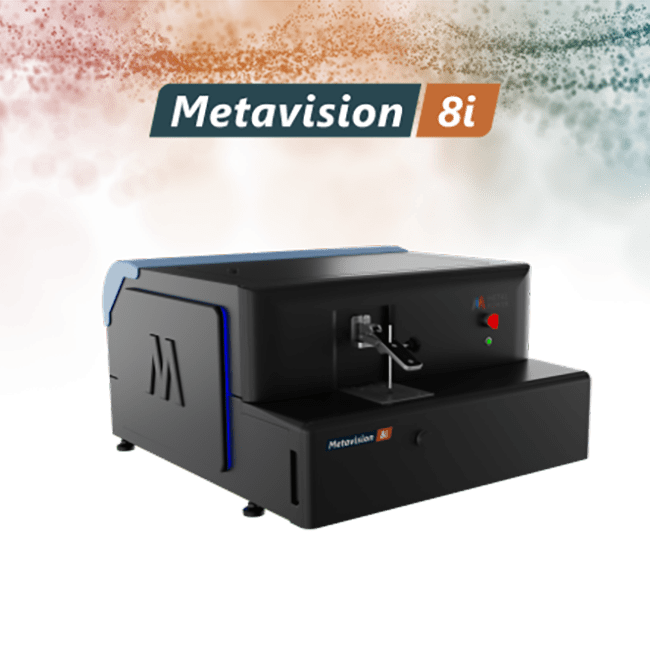 Metavision-8i
Comprehensive elemental analysis with dual-optics and multi-base capabilities
-
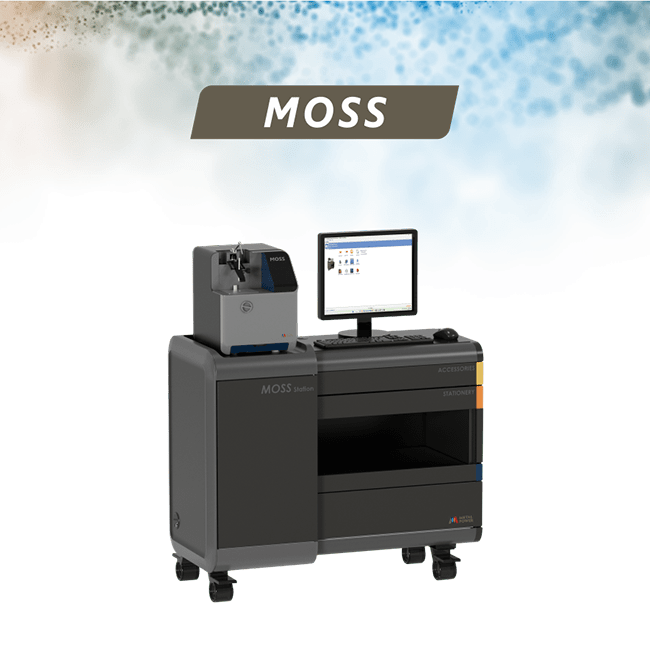 MOSS | Metallurgical Online Spectrometry System
MOSS shows the pinnacle of every aspect of technology being applied to entry level OES.
-
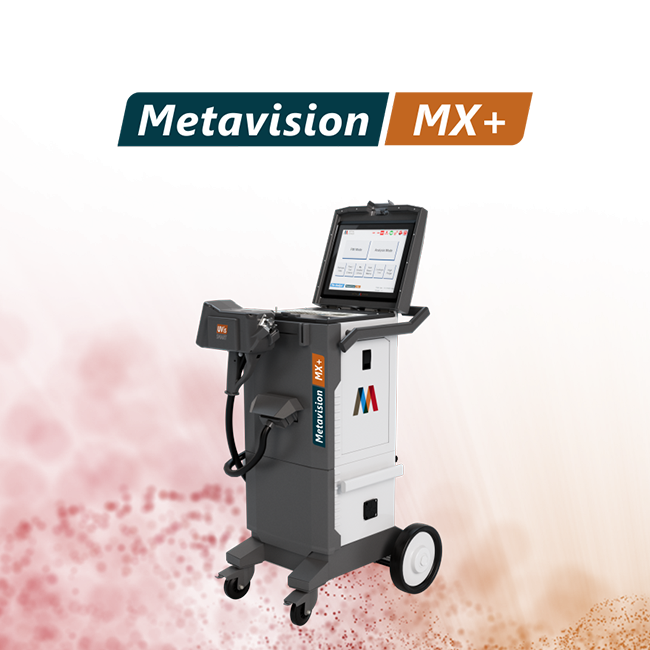 Metavision-MX+
Often an application calls for testing of items like a boiler, overhead pipes or specific parts aboard ships.
-
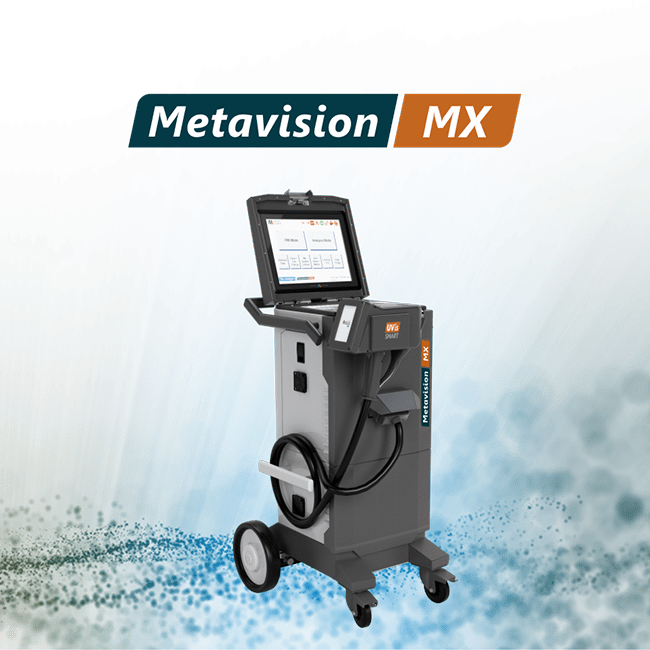 Metavision-MX
The Metavision-MX has been designed to be the ultimate PMI solution – on a budget!
Our Optical Emission Spectrometers (OES)
-
-
Metavision-1008i3
Custom developed components and applications ensures that it is the only instrument in its class to offer Oxygen analysis at low levels
-
Metavision-8i
Comprehensive elemental analysis with dual-optics and multi-base capabilities
-
MOSS | Metallurgical Online Spectrometry System
MOSS shows the pinnacle of every aspect of technology being applied to entry level OES.
-
Metavision-MX+
Often an application calls for testing of items like a boiler, overhead pipes or specific parts aboard ships.
-
Metavision-MX
The Metavision-MX has been designed to be the ultimate PMI solution – on a budget!
Our Near InfraRed detectors (NIR)
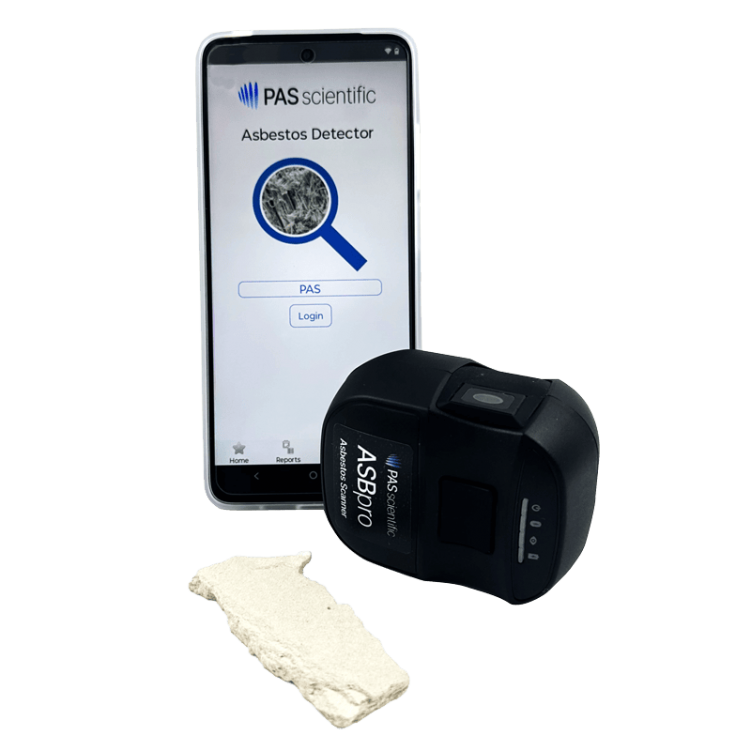
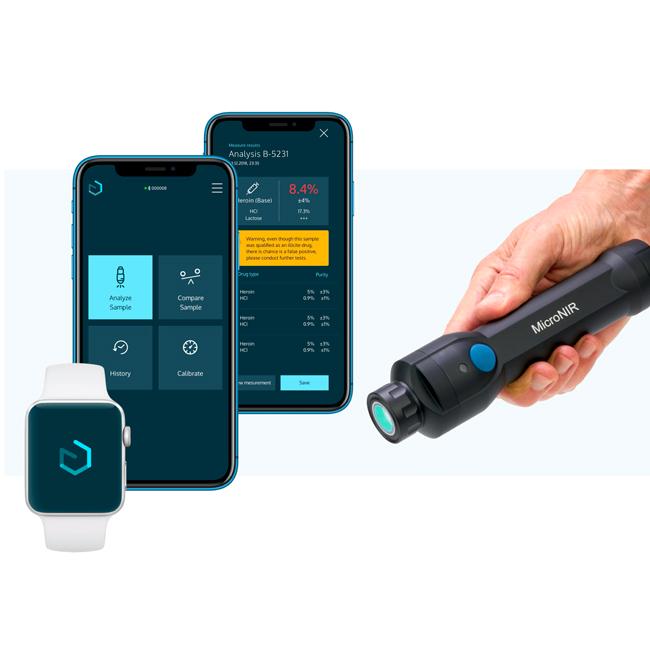
Our Near InfraRed detectors (NIR)
VAT 03568440964
Copyright 2018 - PrivacyPowered by Weblitz